

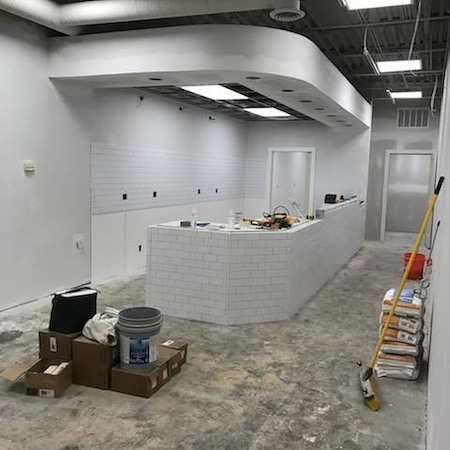
Launching a commercial build in Atlanta starts long before concrete and steel. It starts with smart sitework that aligns permitting, commercial construction logistics, and grading for Georgia’s red clay. If you need a partner who knows the terrain, KC Construction of Georgia Inc. brings local experience from Midtown to Norcross.
Why Sitework Sets The Pace For Commercial Construction
Sitework controls your schedule, your neighbor relations, and your first inspections. When it’s planned well, the rest of your build flows. When it’s rushed, you’ll chase rework, erosion issues, and delays. Partnering with an Atlanta commercial construction company keeps these moving parts coordinated from day one.
Permitting Pathways That Fit Atlanta And North Georgia
Every jurisdiction handles sitework permits a little differently. City of Atlanta, surrounding counties, and nearby cities can have unique submittal checklists, review timelines, and stormwater requirements. The best move is to start early with a clean, complete package and a clear point of contact for reviewer questions.
Build a pre-application bundle your reviewer can approve without guesswork:
- Conceptual site plan with proposed grading, parking, and access points
- Recent boundary and topographic survey, plus any ALTA updates
- Geotechnical report highlighting subgrade conditions and recommendations
- Preliminary utility map and confirmation of capacity or letters of availability
- Traffic and driveway notes were required
- Erosion, sediment, and stormwater concept plan
- High-level earthwork schedule that shows sequencing and inspection touchpoints
Schedule inspections early to avoid backlogs during peak building months. Aim to lock tentative dates as soon as your permit is issued, then update inspectors as milestones shift.
Utility Coordination That Avoids Costly Field Conflicts
Underground utilities around the Perimeter, Buckhead, and West Midtown can be crowded. Plan your utility corridors on paper first, then confirm in the field with as-builts, utility owner input, and paint on the ground. Keep private utilities, storm lines, and electrical in separate, predictable zones to simplify future maintenance.
- Pull existing utility records and recent as-builts from owners and past projects.
- Walk the site with trades to flag conflicts before trenching starts.
- Create a shutdown and tie-in plan to protect neighbors and retail tenants.
- Map final locations for accurate, post-install as-builts.
Always contact 811 before you dig and verify marks in the field with your superintendent. Add private utility locating when plans or marks seem unclear.
Grading and Earthwork That Works With Red Clay
Atlanta’s slopes and red clay demand careful moisture control and compaction. Overwork the soil when it’s too wet, and it smears; work it too dry, and it crumbles. Your geotechnical report should guide lift thickness, target moisture, and proofrolling steps so the subgrade supports pavements and building pads.
In neighborhoods like Sandy Springs or Decatur, where sites can be tight, move cut and fill efficiently. Use digital takeoffs to right-size haul-off and minimize double handling. Balance the site where possible, then coordinate export with haul routes that keep trucks out of school zones and congested commuter streets.
After heavy summer storms, Georgia red clay holds water and becomes slick. Wait for optimal moisture before compaction, and proofroll in front of the inspector to reduce retests. This small patience often saves days of rework.
Stormwater And Erosion Control That Protects Your Schedule
Stormwater rules vary by jurisdiction, but the goal is constant: control runoff and keep sediment off adjacent properties and streets. Silt fence and inlet protection are common early measures, followed by detention or water quality features that match your plans. Place basins and outfalls where maintenance is realistic during construction.
Stabilize disturbed soil quickly to prevent fines and delays. Seed, mulch, or stone access drives as phases open, especially on sloped sites in Gwinnett and Cobb, where summer downpours can move soil fast.
Building An Earthwork Schedule That Holds Up In Real Life
Good schedules survive weather swings and utility surprises. Break earthwork into logical zones so inspections and trades can roll in behind you. Track rain days across spring and summer, and store aggregate or erosion materials onsite so crews can pivot when soil is too wet for fine grading.
Make the schedule visual. A color-coded phasing map helps everyone see haul paths, laydown areas, and no-go zones near wetlands or tree save areas. Update it weekly and post it in the trailer where trades, inspectors, and owners can review it at a glance.
Access, Staging, and Keeping Neighbors On Your Side
Site access in Midtown or along busy corridors needs extra planning. Separate delivery routes from public sidewalks with fencing and clear signage. Position staging to avoid blocking existing businesses, and maintain a clean street frontage to reduce complaints and surprise inspections.
Use stabilized construction entrances and wheel wash points so clay stays on-site. Keep trash and materials contained, and confirm crane swing or concrete pump setups won’t overreach property lines. A quick weekly email update to nearby businesses can defuse most frustrations before they start.
Inspections and Documentation That Close Out Clean
Before you call for the final, walk the site with your superintendent and punch out small erosion repairs, missing inlet protection, or incomplete as-builts. Confirm that permanent stabilization is complete at parking islands, slopes, and around outfalls. Collect compaction reports, utility test results, and any changes to the stormwater plan so your closeout package is easy to approve.
If your build includes tenant spaces, coordinate pad-ready dates with the earthwork schedule. Early and clear dates let tenants book their trades and reduce turnover gaps. For more planning ideas, check our running list of commercial construction tips and process checklists.
Local Factors To Keep In Mind Across Atlanta
Weather shifts: spring fronts bring fast rain, summers are hot and stormy, and brief winter cold snaps can affect curing and compaction windows. Traffic can slow deliveries on I‑75, I‑85, and GA‑400, so stage essential materials ahead of weekend closures or big downtown events. In older areas like the West End, expect unexpected utilities or shallow cover and build time for careful potholing.
Soils change from lot to lot. Some Buckhead hillsides hold firm; others hide pockets that need undercut and backfill. Your superintendent and geotech are the best pair to decide when to proofroll, when to undercut, and when to wait for better moisture.
How KC Construction of Georgia Inc. Keeps Sitework Moving
Clear coordination is the difference between a smooth, rough grade and weeks of rework. Our field leaders sequence earthwork, utilities, and inspections so crews aren’t stacked on top of each other. We share look-ahead schedules with owners and subs, then adjust quickly when weather or materials shift.
If your project needs pad-ready dates for steel or tilt panels, we’ll lock those down early. We also coordinate with utility owners for safe tie-ins and plan shutdowns at low-impact times for your neighbors and tenants. When you’re comparing partners for commercial construction, ask how they handle red clay moisture, stormwater, and inspector timelines across Atlanta and North Georgia.
Ready To Break Ground With Confidence?
Let’s line up permits, utilities, and grading so day one on-site is productive. KC Construction of Georgia Inc. is ready to plan, phase, and deliver sitework that keeps your build moving across Atlanta and North Georgia.